

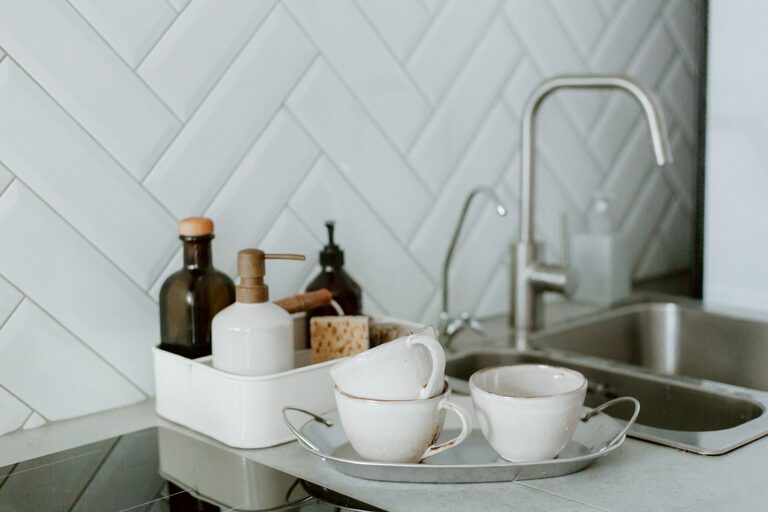
A clutter-free kitchen counter not only looks inviting but also makes cooking and cleaning easier. When your counters are clear, you can use the space efficiently and enjoy a sense of calm in one of the busiest rooms in your home. If your kitchen counters tend to get crowded with appliances, utensils, and miscellaneous items, don’t worry. This guide will help you create and maintain a clutter-free kitchen counter with practical tips.
Why Keep Kitchen Counters Clutter-Free?
Clear kitchen counters offer many benefits:
– More workspace: You’ll have plenty of room to prep meals without moving things around constantly.
– Easier cleaning: Wiping down surfaces is quicker when there’s less stuff in the way.
– Improved safety: Fewer items mean a lower chance of knocking things over or accidents.
– Better aesthetics: A tidy kitchen looks more inviting and calming.
– Increased efficiency: Knowing where everything belongs saves time and reduces stress.
Step 1: Clear and Assess
Before organizing, clear everything off your counters. Wipe down the surfaces to start fresh. Then, take a look at what you removed:
– Which items do you use daily?
– What can be stored elsewhere?
– Are there duplicates or things you rarely use?
Knowing what you have helps decide what belongs on the counter and what doesn’t.
Step 2: Declutter Ruthlessly
Keep only essentials on the counter. Here’s how:
– Everyday tools: Items you use multiple times a day, like a coffee maker or knife block, can stay.
– Occasional use: Small appliances or gadgets that you use once a week or less should be stored in cabinets.
– Decorations: Keep minimal decor that adds charm without taking up necessary space.
– Expired items: Toss old spices, open food packages, or anything past its prime.
Decluttering reduces visual noise and opens up your workspace.
Step 3: Maximize Storage Space
To free counters, utilize storage options efficiently:
Cabinets and Drawers
– Organize utensils, pots, and pans inside cabinets.
– Use drawer dividers for neat utensil storage.
– Store small appliances behind cabinet doors when not in use.
Wall Space
– Install shelves or hanging racks for frequently used items like mugs or spices.
– Use magnetic strips for knives and metal tools.
Inside Cabinet Doors
– Attach hooks or slim racks inside doors for measuring spoons or pot lids.
Pantry and Fridge Storage
– Keep ingredients and bulk items organized inside the pantry to avoid overflow on counters.
Step 4: Use Counter-Friendly Organizers
Certain organizers help keep counters neat without crowding:
– Trays: Group items like oils, salt, and pepper in a tray to keep them contained.
– Canisters: Store flour, sugar, and coffee in clear canisters for easy access and a tidy look.
– Utensil holders: Use a stylish jar or holder to keep cooking utensils upright and organized.
– Cutting board stands: Store cutting boards vertically to save space.
Limit the number of items in these containers to keep counters open.
Step 5: Maintain Daily Habits
Keeping counters clutter-free is easier with consistent habits:
– Clean as you go: Wipe spills and clear tools immediately after use.
– Return items to their places: Don’t leave appliances or utensils out after cooking.
– Daily reset: Spend a few minutes at the end of each day clearing counters.
– Weekly review: Check for clutter build-up and reorganize if needed.
Bonus Tips for Small Kitchens
If space is limited, consider these additional ideas:
– Use multipurpose appliances to reduce the number of gadgets.
– Mount fold-down shelves or cutting boards that can be stored flat when not in use.
– Use stackable storage containers inside cabinets.
– Keep frequently used items at eye level for easy access.
Final Thoughts
A clutter-free kitchen counter makes cooking more enjoyable and your kitchen easier to keep clean. By assessing what you truly need on the counter, maximizing storage, and developing good habits, you can maintain a tidy and functional kitchen space. Start with small changes today, and soon you’ll notice a big difference in your kitchen’s look and feel.