

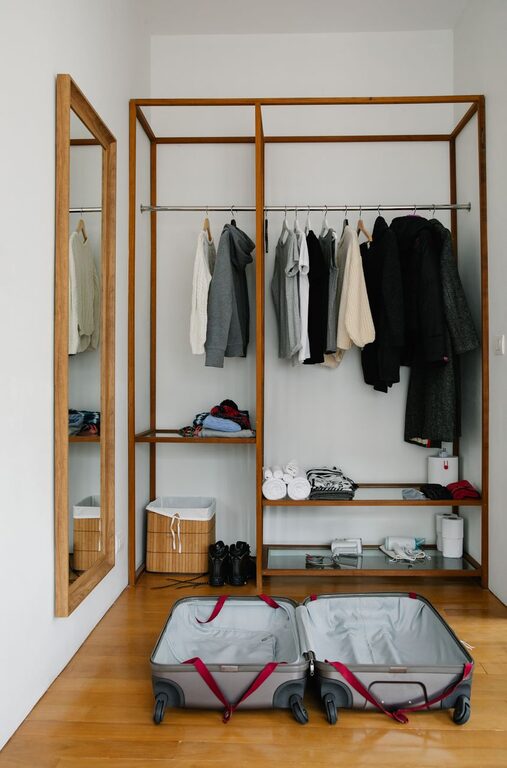
Storing seasonal clothes efficiently is a great way to keep your home neat and your wardrobe manageable. When the seasons change, swapping out your clothes can feel overwhelming without a clear system. Whether you’re packing away bulky winter coats or lighter summer wear, the right strategies help protect your garments and free up valuable space. This guide will walk you through practical steps for storing your seasonal clothes efficiently.
Why Efficient Storage Matters
Seasonal clothes are typically bulky, delicate, or specialized — like heavy sweaters, raincoats, or formal wear. Proper storage:
– Protects clothes from damage and deterioration
– Keeps your closet clutter-free
– Makes it easier to find what you need
– Saves space and extends the life of your garments
With these benefits in mind, let’s explore how to store your clothes between seasons.
Step 1: Sort and Declutter
Before packing away clothes, take some time to sort through your wardrobe.
How to Sort Seasonal Clothes
– Separate by season: Group items into categories like winter, spring, summer, and fall.
– Check condition: Inspect each item for stains, tears, or damage.
– Decide what to keep: Consider donating or recycling clothes you no longer wear or need.
Decluttering helps reduce storage bulk and ensures you only pack what you actually use, simplifying your storage process.
Step 2: Clean Your Clothes Thoroughly
Always wash or dry clean your clothes before putting them away.
Why Clean Clothes?
– Removes dirt, oils, and sweat that can attract pests
– Prevents stains from setting in
– Helps maintain fabric quality
Make sure clothes are completely dry before storing to prevent mildew and mold.
Step 3: Choose the Right Storage Containers
Selecting suitable storage containers is key to protecting your clothes.
Storage Options
– Plastic bins with airtight lids: Protect against moisture and insects.
– Breathable fabric bags: Ideal for delicate or natural fibers that need air circulation.
– Vacuum-sealed bags: Great for saving space by compressing bulky items like sweaters and jackets.
– Storage boxes with dividers: Help keep smaller items organized.
Label your containers clearly so you can identify their contents without opening them.
Step 4: Use Proper Folding and Packing Techniques
How you fold and pack your clothes can impact their condition and space usage.
Folding Tips
– Fold sweaters and knitwear flat: Prevents stretching and deformation.
– Roll lighter items like t-shirts and leggings: Saves space and minimizes wrinkles.
– Use tissue paper between layers: Reduces friction and helps keep shape.
For delicate items or clothes that wrinkle easily, consider hanging them on sturdy hangers inside garment bags.
Step 5: Store Clothes in the Right Environment
Where you store your clothes matters as much as how you store them.
Ideal Storage Conditions
– Cool, dry place: Avoid attics and basements that can be damp or hot.
– Away from direct sunlight: Prevents fading and fabric damage.
– Elevated storage: Keep containers off the floor to prevent water damage and pest access.
If you use a closet or spare room, consider using moisture absorbers or cedar blocks to keep clothes fresh and deter insects.
Step 6: Maintain Your Stored Clothes
Checking on your stored clothes periodically can prevent surprises when you take them out next season.
Maintenance Tips
– Inspect storage containers for moisture, pests, or mold.
– Air out clothes once in a while if possible.
– Refresh the scent with sachets of lavender or cedar wood.
Regular care ensures your clothes remain in good condition and ready to wear.
Bonus Tips for Specific Clothing Items
Winter Clothing
– Use waterproof garment bags for coats.
– Store boots upright with shoe trees to maintain shape.
Summer Clothing
– Pack swimsuits and shorts separately in breathable bags.
– Fold hats and caps carefully to avoid crushing.
—
Efficient storage for seasonal clothes is all about organization, protection, and proper care. By following these steps, you’ll keep your wardrobe tidy and your clothes in great condition year after year. Happy organizing!